About Me
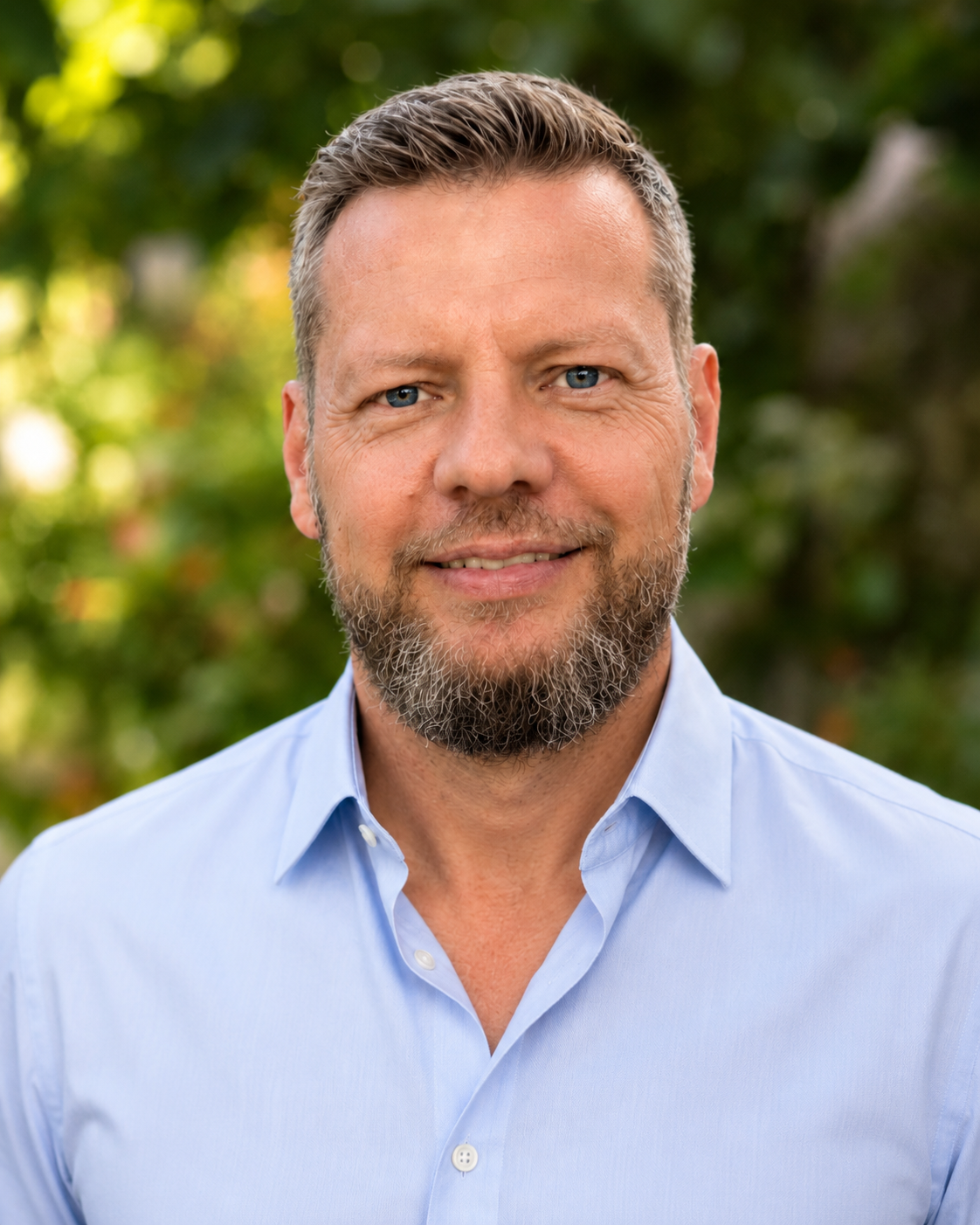
I have spent most of my career at the intersection of machine learning, maritime technology, and company building.
After completing my PhD in machine learning at the Technical University of Denmark, I co-founded a maritime AI company focused on vessel performance and optimization. I helped build the technology, the company, and the organization around it. The company was later acquired by Lloyd’s Register, where I subsequently served as VP of AI.
Over the years, I have worked as CEO, CTO, CSO, and VP of AI. Moving between technical, commercial, and leadership roles taught me to see AI from several perspectives: what is technically possible, what creates commercial value, what teams can realistically deliver, and what customers will trust and adopt.
Building AI for live maritime operations also shaped how I think about technology. A model can be technically impressive and still fail in practice. Real value depends on data, systems, integration, users, timing, and whether the output supports an actual decision.
I am drawn to difficult problems where the answer is not obvious. I enjoy working with engineers and business leaders, asking incisive questions, challenging assumptions, and turning complexity into a direction people can act on. I value honesty, curiosity, direct collaboration, and real-world results over theoretical promise.
Today, I work independently with a small number of maritime technology companies. This allows me to stay closely involved and bring together the technical judgment, commercial understanding, and leadership experience needed to turn AI into genuine competitive advantage.